The Challenge
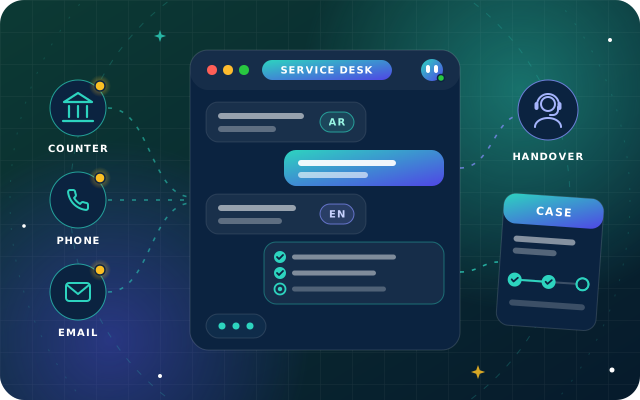
The organization serves citizens, residents and businesses through service counters, a call center line, a general email address and a services website. Every channel had grown on its own. Counter staff kept printed checklists of required documents, the phone team worked from a shared document of standard answers, and the inbox was cleared by whoever had time. The same question asked in two places could receive two different answers.
Most inquiries were routine: which documents a service needs, which fees apply, how to submit an application and how to check its progress. Each one still needed a member of staff, so busy periods brought queues at the counters, long holds on the phone and an inbox that fell behind, and outside working hours nothing was answered at all. Inquiries arrived in Arabic, English and other languages spoken across the UAE, and the quality of a reply depended on who was on duty.
Leadership wanted one front door: the same approved answer on every channel, counters kept for the cases that genuinely need a visit, and a clear view of which services generate the most questions, all within the organization's rules on personal data and record keeping.
- Different answers at the counter, on the phone and by email
- Queues and long holds for questions a published answer could settle
- Status inquiries pulling staff away from processing requests
- No view of what people asked, in which language or channel
Our Approach
Discovery began with the people who answer inquiries every day: counter supervisors, the phone team and the staff who clear the shared inbox, followed by the owner of each service. With personal details removed, we grouped a sample of recent emails and call notes by service, intent, language and channel. That produced a ranked list of the questions worth automating first, and a list of topics that must always reach a person, such as complaints, appeals and anything that depends on individual circumstances.
Process mapping followed each type of inquiry from first contact to resolution: who owns it, which details they need, which system holds the answer and what the person should hear out of hours. The fit-gap review against StarBot found that the channels, Arabic and English conversations, guided flows, appointment booking and routing were all standard configuration. Two connections were added: the ticketing system, so that StarBot can open a case and report its status, and the counter appointment calendar. Before any build, we agreed retention periods, editing rights and the hosting and data-residency arrangement with the information security team, and designed the deployment around its policy.
- Knowledge base: approved answers for each service in Arabic and English, signed off by the service owners.
- Website pilot: StarBot on the services pages first, with transcripts reviewed together and gaps fixed before other channels opened.
- Messaging channels: the business WhatsApp number with message templates and opt-in flows, then the social inboxes.
- Testing: every intent in both languages, every handover rule and edge cases such as a complaint, an urgent safety matter and a message in a third language.
- Training: short role-based sessions on taking over a chat in the team inbox, replying with the transcript in view and closing it so StarBot resumes.
The Solution
One Front Door on Every Channel
StarBot runs on the website through a single embed snippet, on the organization's business WhatsApp number and in its Facebook and Instagram inboxes. The services pages, the phone line's recorded message and the general inbox's automatic reply now point people to it. Every channel shares one knowledge base and one set of handover rules, so a question about required documents receives the same approved answer at midnight on WhatsApp as at noon on the website. StarBot detects whether each message is in Arabic or English and replies in the same language, and rich replies with buttons, cards and documents let people open a checklist or download a form.
Guided Requests with a Case Reference
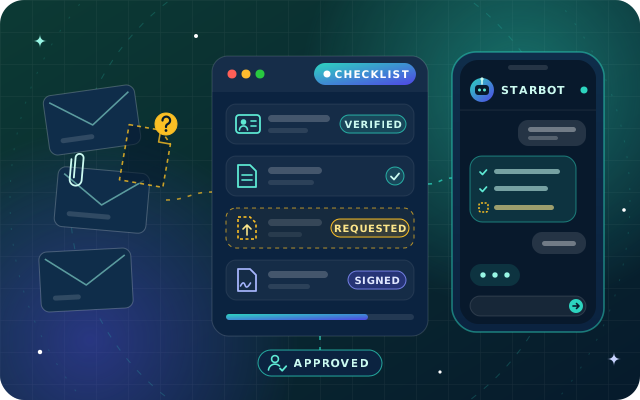
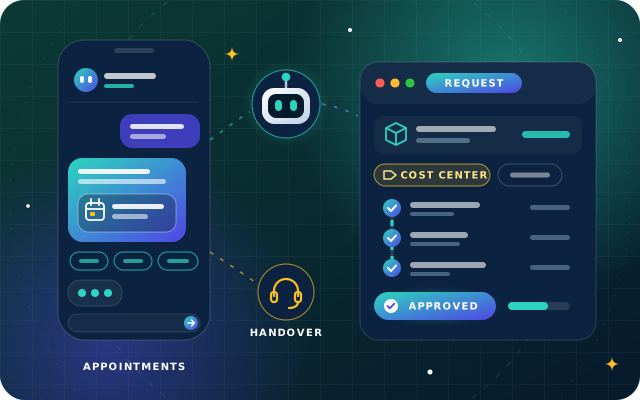
Guided flows walk people through the most common requests: the documents to prepare, the details the department needs and how to be contacted. Where a visit is genuinely required, StarBot books a counter appointment against the organization's appointment calendar. Each completed request opens a case in the ticketing system with a reference, and later status questions on any channel are answered from that system, scoped to the identity of the person asking.
Handover to Staff with the Context Intact
Escalation rules hand a conversation to a person at once for complaints, negative sentiment, repeated misunderstanding, sensitive topics or anyone who asks for a member of staff. When StarBot cannot answer a message, for example one in another language, it sends a fallback reply and passes the conversation to the team on duty. Routing follows topic, language, channel and business hours, and the colleague replies from the shared team inbox with the full transcript and captured details in view. Out of hours, StarBot answers what it can and records the rest with a promised call-back.
Governance and Continuous Improvement
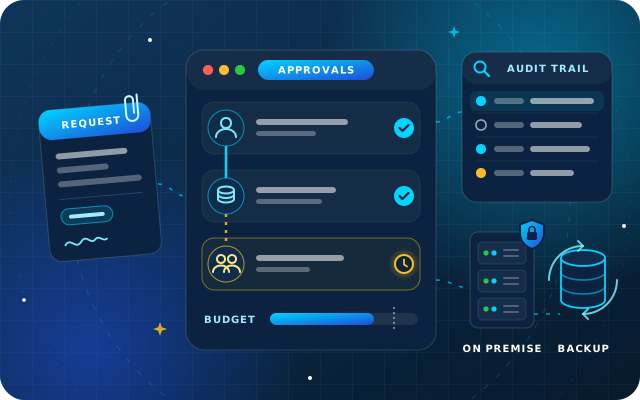
Answers come only from the approved knowledge base, with guardrails for blocked topics, tone and mandatory disclaimers. Role-based access separates content editors, agents and analysts, the audit log records who changed which answer and who took over which chat, and retention controls purge transcripts and personal details on the agreed schedule. The analytics dashboard shows volume by channel, language, hour and topic, the containment rate and in-chat satisfaction scores, and unanswered questions join a review queue for the service owners. It is the same pattern we use across Government and Public Services.